
How to Grow Carnivorous Plants in Indianapolis
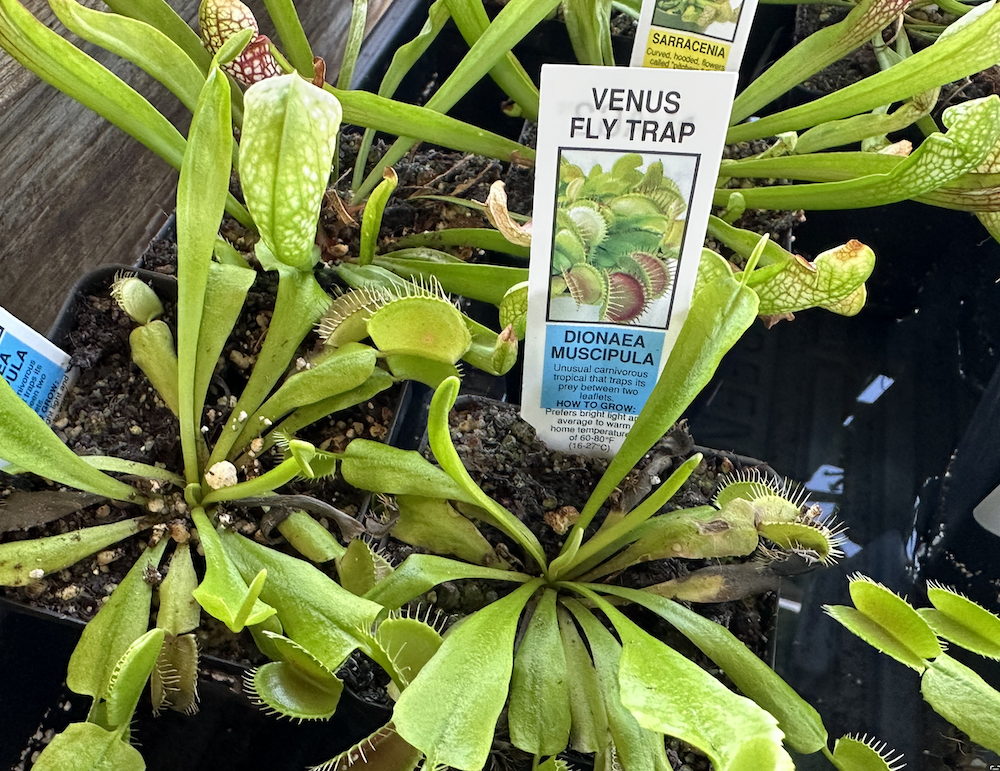
Carnivorous plants are some of the most unique houseplants you can bring home. With their unusual shapes, bold colors, and insect-catching tricks, they feel a little magical. Even better, they’re not hard to care for once you get the basics down!
These plants come from places where the soil is low in nutrients, so they adapted by catching insects for food instead. Their pitchers, traps, and sticky leaves aren’t just for show; they’re how the plant feeds itself. With a few simple tips, you can help them thrive indoors!
Common Types of Carnivorous Plants
When shopping for Carnivorous plants in Indianapolis, you’ll usually find a few familiar favorites, especially at our store. We source our plants from a specialty grower and we are known for our great selection.
Here’s what we usually carry:
Venus Flytraps – snap traps with little “teeth” along the edges.
Pitcher Plants – tall pitchers or hanging cups that lure insects inside.
Sundews (Drosera) – delicate leaves covered in sticky droplets.
They all look different, but they tend to want the same things: bright light, clean water, and soil with no added nutrients.
What Type of Light is Best for Carnivorous Plants?
Carnivorous plants love bright, direct light, much more than your typical houseplant.
Try giving them:
4–6 hours of direct sun
A sunny south or west window
Or a grow light a few inches above the plant
Good light helps keep traps and pitchers colorful and strong.
Need a grow light? We have some!
How to Water Carnivorous Plants
These plants are very sensitive to minerals and chemicals, so tap water can actually harm them. Use:
Distilled water
RO water
Rainwater
Keep the soil damp. “Bottom watering” works well for Carnivorous plants. Set the plants in a shallow dish of water and allow the plant to soak up what it needs. We’re going to repeat this, but it’s so important that we need to mention it several times: never water Carnivorous plants with fish tank water. That will definitely kill them by providing them too many nutrients.
Which Soil is best for Carnivorous Plants?
Carnivorous plants cannot handle regular potting mix or fertilizer. They grow best in soilless media like:
Sphagnum moss
Peat moss mixed with perlite
Long-fiber sphagnum
No compost and no fertilizer. They get their nutrients from insects.
If you need help repotting your Carnivorous plant, just ask! We have pots and the materials Carnivorous plants thrive in.
What type of Humidity do Carnivorous Plants Need?
Most Carnivorous plants appreciate extra humidity, especially tropical pitcher plants. A pebble tray with water up to the top of the pebbles, a humidifier, or even grouping plants together helps. Even though they like high humidity, Carnivorous plants do not like stagnant, still air. We do not recommend growing them in covered terrariums with no airflow.
Where did my Carnivorous Plant Go? Is it Dead?
Venus flytraps and North American pitcher plants go dormant in winter. They may stop making traps or even turn brown. That’s just their rest period. Keep the soil lightly moist and let them stay cool (but not outside) until spring, when they’ll start growing again.
How to Feed Carnivorous Plants: Don’t!
Carnivorous plants have evolved to live in nutrient-poor soils, so never feed carnivorous plants with liquid fertilizer or fish tank water. (We told you we were going to repeat it.)
If your plant catches a few insects on its own, that’s plenty. You’d be surprised at how the plants will end up catching enough to eat in your house!
It might be tempting to feed a Carnivorous plant a piece of meat, but don’t do that either.
Enjoy Growing Carnivorous Plants in Indianapolis
Carnivorous plants are small but mighty wonders. They're fun, fascinating, and surprisingly low-maintenance. Give them bright light, clean water, damp low-nutrient soil, and they’ll reward you with steady growth that’s sure to spark conversation!